Always Keep a Crisis Alive — Even If It Mutates
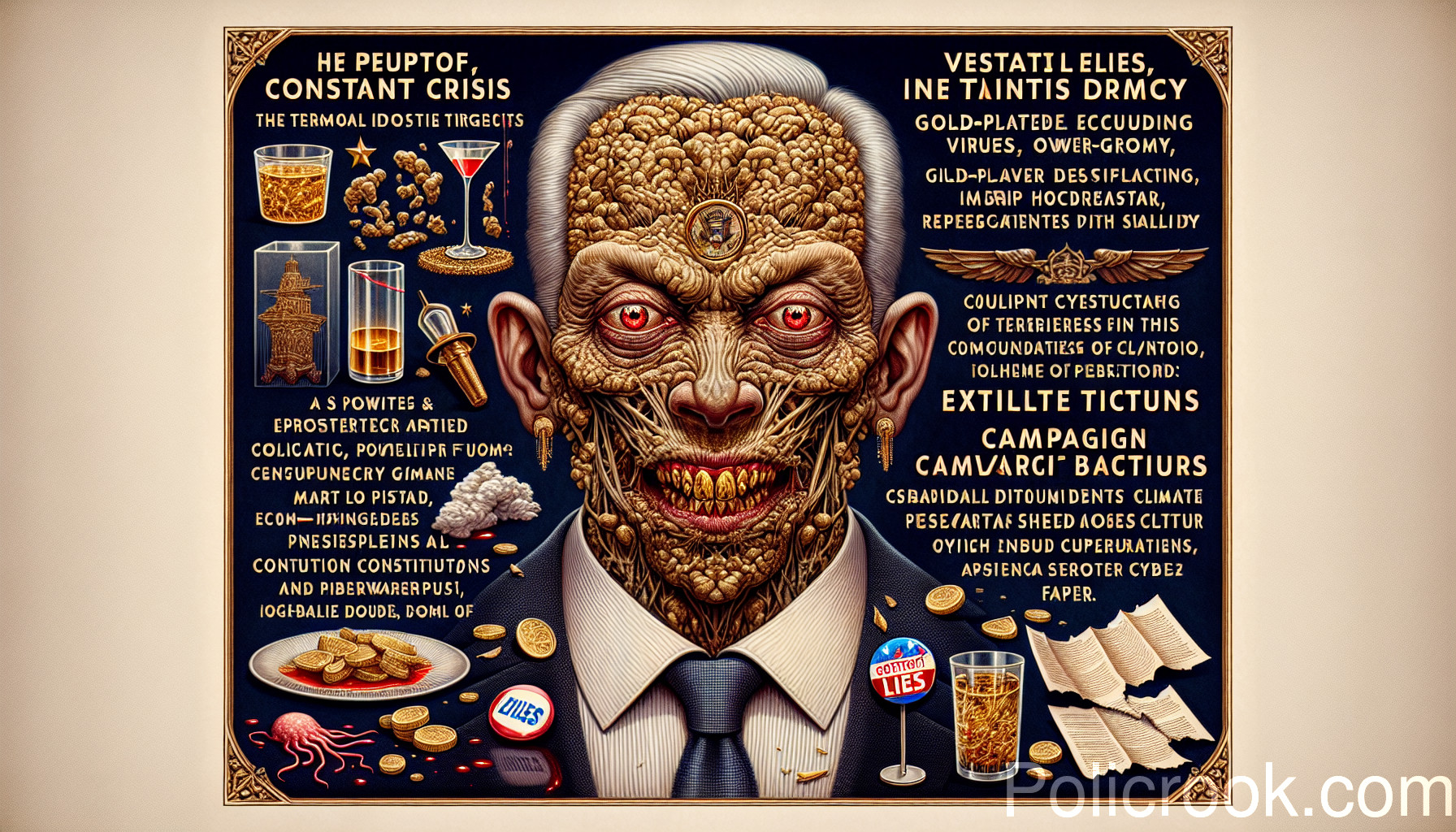
When One Panic Ends, Start
Another Before They Notice.
Your ticket to the show?
Simple: perpetuate panic like it’s an art form.
Politicians, it’s time to master the delicate balance between fear-mongering and manipulation, for a world governed by hysteria is a fertile playground for those who thrive in the shadows.
So, grab your emotional manipulation toolkit, because you’re entering the Hall of Panic, where stagnancy is anathema and making citizens feel vulnerable is not just encouraged, it’s essential.
Imagine this: every moment of calm is not a breather for the electorate, but a veritable time bomb threatening your political existence, just waiting to detonate when they least expect it.
Panic isn’t an unfortunate side effect of governance; it’s the chef’s secret ingredient in this grim recipe for dominance.
You stir it in, adding just the right amount of hysteria, until it simmers into a rich, bubbling broth of desperation.
Let’s explore how to whip up this crisis concoction like an expert.
Start with the basics—terror and fear, seasoned to taste.
You’re not crafting just a narrative; you're creating an emotional landscape where every shadow holds a potential threat.
A hint of terrorism can go a long way, but why stop at one nightmare when you can repackage the same one over and over?
“Surprise! The bogeyman’s back, and he’s wearing a fresh disguise!” This makes every alert a chance for applause rather than accountability.
It’s like refurbishing a condemned building—add fresh paint and your constituents will marvel at the renovation while ignoring the rotting foundation beneath.
Next, embrace viruses as your trusted accomplices.
In the grand buffet of public fear, a novel virus is the exquisite dish that the masses simply cannot resist.
Why stop at one strain when you can flaunt variants as if they were a prêt-à-porter collection?
“Variant X: now with enhanced fear factor!” The threat of illness becomes the ultimate tool for controlling the population.
After all, who trusts the government to protect their health when every sneeze seems like a looming death sentence?
Such is the seductive allure of panic—a society so gripped by fear that they willingly hand over their liberties to anyone promising salvation.
The climate crisis is your perennial best-seller; a horror story that never goes out of print.
Floods here, fires there, and a parade of catastrophic predictions at your command create a desperate cry for action.
“Vote for us, or face the hellscape of climate doom!” It’s a manipulation masterpiece—the more apocalyptic the predictions, the tighter the grip on public support.
Let your constituents believe that their very survival hinges on your continued authority; after all, nothing says “I care” like fanning the flames of existential dread.
Then there’s the invisible specter of cyber threats, the 21st-century boogeyman that lurks in the digital depths.
Paint hackers as the dark sorcerers of the modern era, bred in basements and fueled by energy drinks.
Stories of data breaches and identity theft strike terror like a poorly timed jump scare—a perfect diversion for your campaign agenda.
All you need to do is remind them, “Click here to protect yourself—your vote is the firewall against the chaos!” Voters, fearing what lurks in the online shadows, will claw their way to your doors, handing you power out of sheer terror.
But be wary—success hinges on never allowing a moment of genuine recovery to unfurl before the public’s eyes.
The moment they breathe easier, your political aspirations start to wither.
Declaring war on normalcy is crucial; unveil a new crisis with a flourish before they can hit the refresh button on their sanity.
“Guess what?
Just when you thought it was safe to relax, here comes another emergency!” It’s a continual spiral of panic that keeps them desperate, and you in control.
Enemies are the prime currency in your game of fear.
They don’t have to exist in reality; they just need a name, a face, or a vaguely defined group.
Cultivate fear of the ‘other’—be it imaginary terrorists or shadowy cyber warriors.
Turn the masses’ attention towards fabricated foes to distract from your failings.
In panic mode, scrutiny evaporates; vigilance transforms into a frenzy of hatred directed at phantoms while you command the stage unchallenged.
Let’s face reality: fear isn’t just an emotional reaction; it’s a full-blown lifestyle—one you can wear as skillfully as a tailored suit.
Embrace this chaos! Panic pushes the masses into your hands, desperate for the little reassurance you’re willing to offer.
As you step into the spotlight, never forget—the only way to keep your ascent alive is to keep the panic alive.
When citizens stop believing in your manufactured crises, your reign crumbles faster than the faith they placed in your promises.
So remember this stark truth: the lesson for you, the voter, is this—your leaders thrive on your anxieties, orchestrating fear not as a hiccup but as a foundational strategy.
Public servants can indeed be honest, but the political predators lurking in the halls of power are hell-bent on perverting integrity for obedience.
The next time a crisis looms on the horizon, don’t just grab your pitchfork; arm yourself with skepticism.
Beware of those who would profit from your fear, for once you recognize their game, you’ll refuse to be mere pawns in their chaotic chessboard.
Wake up! Don’t applaud your own exploitation; sharpen your mind and shield your spirit against the relentless tide of manufactured crises.