Faking Outrage and Fake Accountability
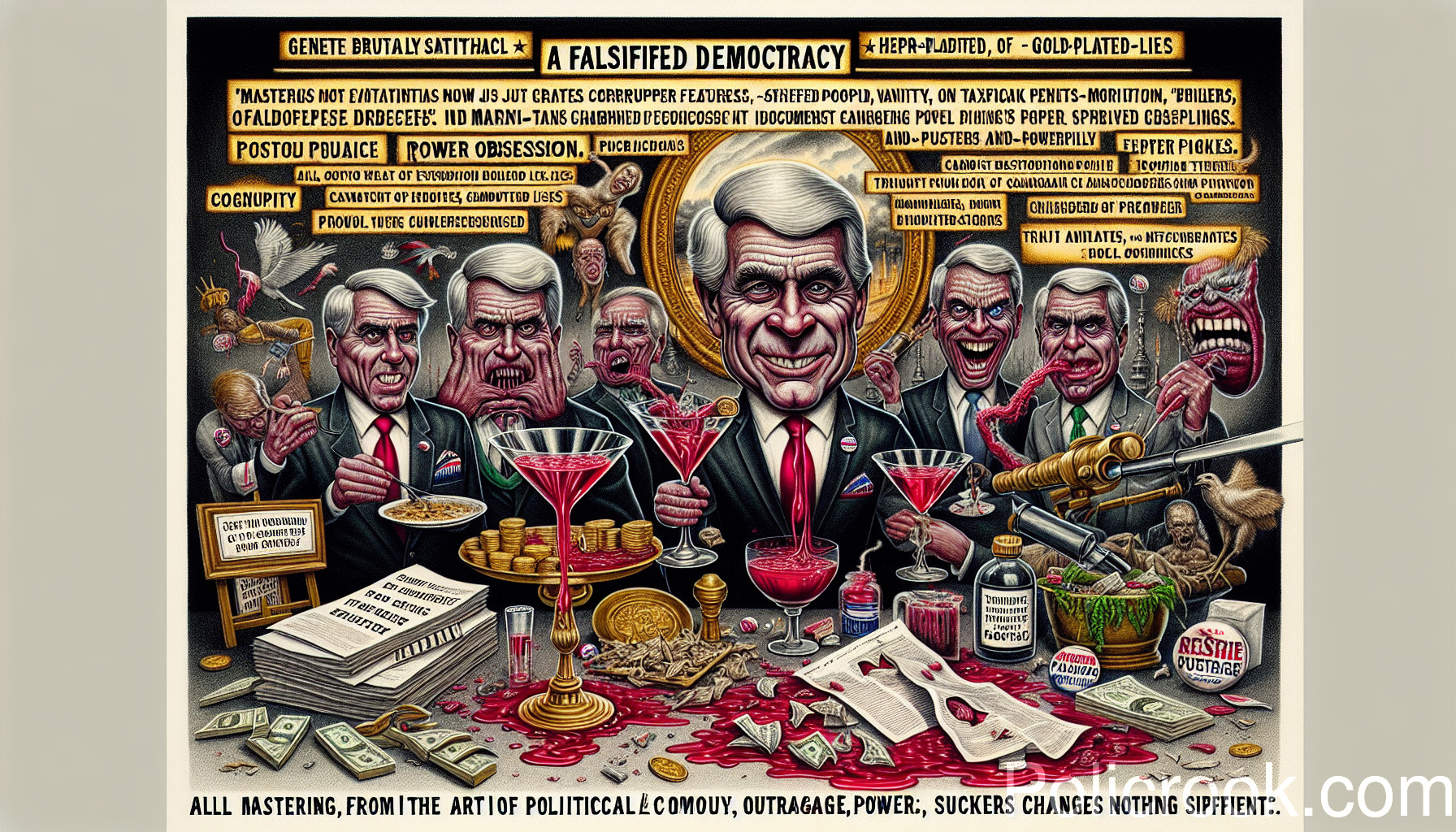
Cry On Cue. Resign Minor
Officials. Change Nothing.
Here lies the polished performance of corrupt politicians who have learned that when scandal strikes, the best political maneuver is a grand show of outrage coupled with a simultaneous commitment to change that only a magician could appreciate—and even then, only if they’re particularly gullible.
Picture the scene: a scandal erupts as if scripted by a bad soap opera, sending ripples of anger across the voter base like a pebble tossed into a lake of apathy.
What follows is a spectacular display of political theater, where your chosen leader stoops to the art of feigned outrage, perfecting expressions like a pro actor playing a tragic figure.
This is not just an act; it’s their survival strategy, a deceitful dance where they watch the outrage simmer and boil, but don’t dare lift a finger to change their autocratic status quo.
First, let’s talk about the first act of this farce: the poker face.
Every scandal demands a soul-searching visage as convincing as any Hollywood star contemplating their next role.
Politicians practice these expressions in front of mirrors, perfecting that look of pained concern, as if they’ve just learned that the last remaining puppy at the shelter was denied a home.
All of this artistically feigned concern prepares them to dish out hearty dollops of "deep empathy" in the wake of disaster—words that roll off their tongues like syrup poured over a pile of cold, broken promises.
Then comes the pièce de résistance—the sacrificial offering: the expendable staff member.
These are the pawns deemed necessary for a good public spectacle, first-class scapegoats in a never-ending game of blame.
Politicians gleefully fire these underlings, waving them around like a magician’s wand, as if the mere act cleanses their tarnished image.
They know the public craves someone to blame, and these expendables are ripe for the chopping block, ready to take the hit while the political puppet masters continue to pull strings in the background.
With the sacrifices made, it’s time for a facelift—renaming offices and creating task forces that accomplish nothing more than taking up space.
Imagine the chuckle-worthy absurdity of introducing a shiny new “Department of Transparency,” which is peppered with the same personnel whose incompetence sparked the original outrage.
It’s like putting a coat of paint on a rotting house—you can change the name and spritz on some air-freshener, but the putrid foundations remain as putrid as ever.
The pièce de theater reaches its dizzying height with “ethics seminars,” hollow gatherings where buzzwords fly like confetti.
The room is filled with sounds that are as repetitive as they are empty, meant to create the illusion of actual reform while accomplishing nothing.
It’s a circus of semantics, where faux intellectualism dresses up intent without an iota of accountability, leaving attendees dizzy and the electorate none the wiser.
The real magic trick occurs in the final act, where optics become the primary currency of governance.
Politicians understand all too well the psychology of their audience: that the public isn’t crying out for change so much as they are for distraction—all they ask is to be lulled into a false sense of security while their wallets are slowly siphoned off.
They prop up flimsy narratives, all polished and shiny, that provide the dream-like comfort of being informed and included, while keeping the sordid realities of corruption comfortably at bay.
The duplicitous charm of it all leaves voters clapping for the wrong act.
As the curtain falls on this endless cycle of hypocrisy, one truth emerges: the only winner in this elaborate game is the politician, who continues to bask in power while the masses are left feasting on scraps of theatrics and empty promises.
The lesson for you, the voter, is this: the next time you see your elected official weep for the injustices they’ve caused while promising change, remember that behind every tear is a corrupt hand reaching deep into your pockets.
They’ll sacrifice their minions to save face, rename their failures, and leave you with more facades than substance.
While not all institutions are corrupt, the masterminds of political theater work tirelessly to replace integrity with obedience.
Don’t let your attention wander—they are banking on your distraction while they laugh all the way to the bank.
Open your eyes, question their promises, and recognize these manipulations before you find yourself cheering for your own exploitation once again.