Talk More, Say Less — Empty Words, Full Airtime
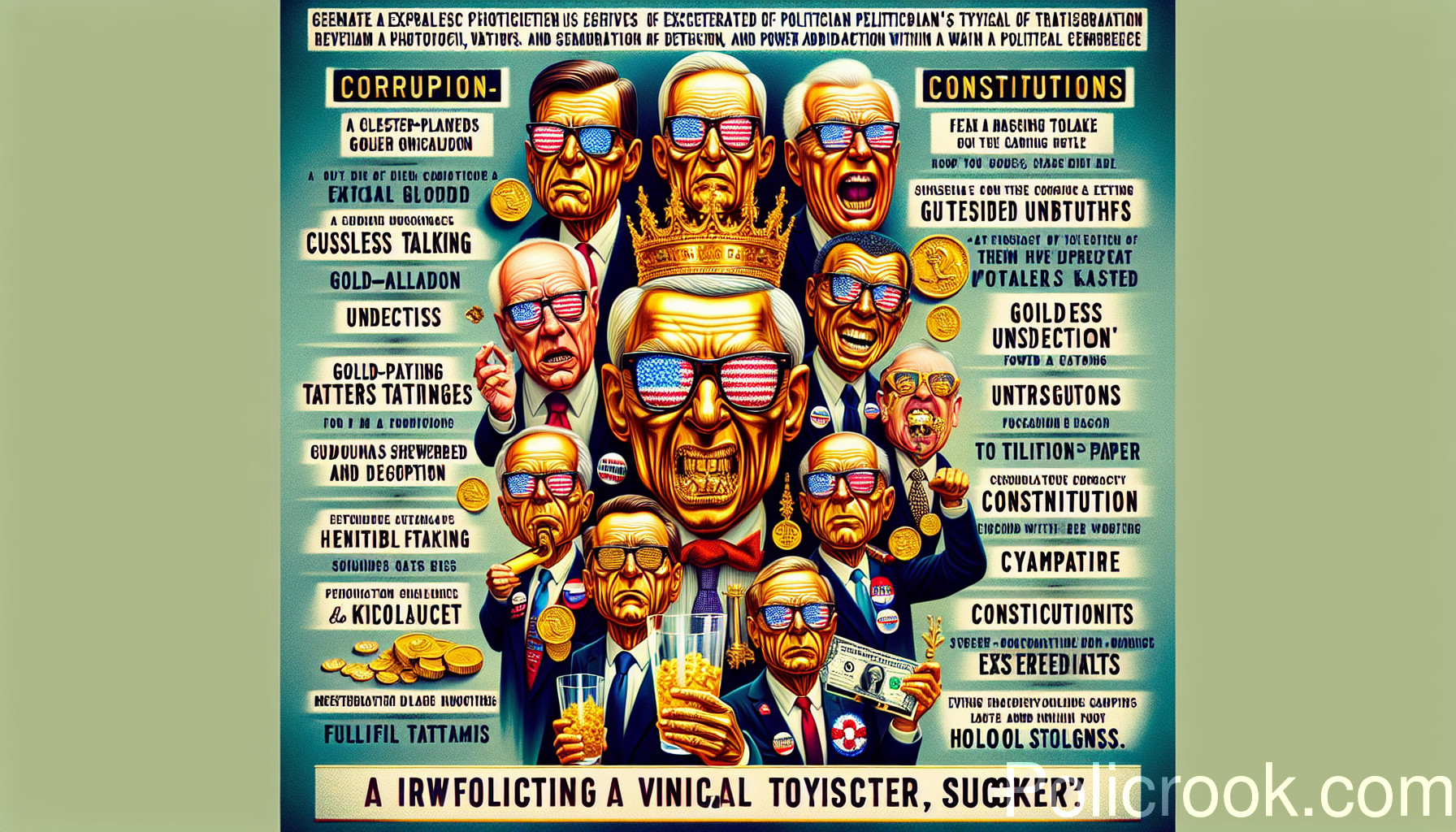
Drown Them in Language. Starve
Them of Meaning.
This isn’t just insipid rhetoric; it’s a meticulously orchestrated symphony of confusion—an art form perfected by those who thrive on obfuscation.
It's the game plan for turning the discourse into a cacophonous mire of verbiage, designed not to inform, but to ensnare.
Beneath the thick fog of histrionic speeches, a simple message lingers: “You’ll pay for my obscurity while I reap the rewards.”
Imagine this: a politician stands at the podium, brimming with self-importance, and as soon as the first question hangs in the air, they unleash a torrent of FLOOD ZONE rhetoric.
The inquiry was straightforward—something innocuous like, “What’s your plan for healthcare?”—but the answer?
A verbal gymnastics routine that pivots from tales of grandmothers’ ailments to an incoherent monologue about infrastructure, sprinkled with adjectives so generic they could apply to anything from pet ownership to potato farming.
Before you know it, that innocent query devolves into a soliloquy rivaling Shakespeare, yet sizzling with the nutritional value of a cardboard box.
While you, the listener, find yourself frantically treading water in this sea of verbal drivel, the politician smiles slyly—they’ve just bought themselves time, cash, and even more airtime.
Then comes the ingenious tactic of the Slogan Recycle Bin.
Our verbal dodger seizes their favorite catchphrase as if it’s a lifebuoy.
Left floundering for meaning?
No worries! Just sprint through the mantra: “Together Forward!”—repeat until the audience’s eyes glaze over.
Like a magician with a deck of disappearing cards, these slogans morph into anything the speaker deems fitting.
Ask for clarity, and you’ll receive a flash of polished terms and corporate jargon, the halls of discourse echoing with promises devoid of substance.
It's a masterclass in semantics, a mastery of meaninglessness—an emotional placebo mixed with just enough pretentiousness to feel profound.
Next comes the pièce de résistance: the seamless blend of emotion and utter absence of content.
Watch as they wield words like darts, aiming for the audience’s heartstrings.
“We must sacrifice for our children’s future,” they roar, while your brain screams for concrete policies.
Tears are shed, applause erupts, yet behind the curtain lies an empty bank of promises—an illusion encoded in flattery and vague concern.
High-pitched soliloquies about the heart and soul of the common man have a way of hijacking rational thought, effectively moonlighting as the magicians of emotional engagement.
Then, amped up on decibels, the politician transforms into a veritable acoustic juggernaut.
Volume isn’t just an accessory—it’s the lifeblood of the charade.
The louder a candidate speaks about groundbreaking reforms, the less scrutiny their blunders will endure.
Word vomit pours forth, an auditory assault designed to drown doubts like a rock band at a funeral, where your real emotions have no place amid the ear-splitting chaos.
Don’t even think of challenging them; the din of their droning rhetoric will drown your questions, leaving you to stagger from the experience, confused yet strangely buoyed.
Finally, we reach the climax: their Victory of Verbal Carpet-Bombing.
Picture it: you, the unsuspecting voter, left to wade through a battlefield littered with slogans, supposed truths, and flowery one-liners—an explosion of empty promises akin to confetti tossed casually at a funeral.
Your shock lasts only moments, enough for them to slip away with hard-earned tax dollars while you muse over the “profound” insights shared.
Trapped in an echo chamber of inspiration, opponents sit unencumbered, raking in support from the oblivious.
You see, dear voter, the battlefield of political communication is designed to disorient and distract.
The villains here aren’t the institutions enshrined with the power to deliver public service; it’s the politicians who skillfully detach facts from their dizzying monologues.
They’re orchestrating a grand deception—using words as shields to mask their true intentions and deeds.
Consider this a warning: The next time you encounter a candidate, learn to pierce through their verbal fog.
The lesson for you, the voter, is this: Pay attention not just to the words they say but to the silence veiled behind them.
Next time someone’s drowning you in empty promises, swim towards the shore of clarity, demand proof, and realize that meaning is not just a partisan battleground—it is the lifeblood of democracy.
Without it, the charade continues; the game remains rigged, and the players will always “talk more, say less.” Don’t let them drown you in sweet nothings—stand firm and open your eyes to the reality before you.