Inventing a Relatable Backstory
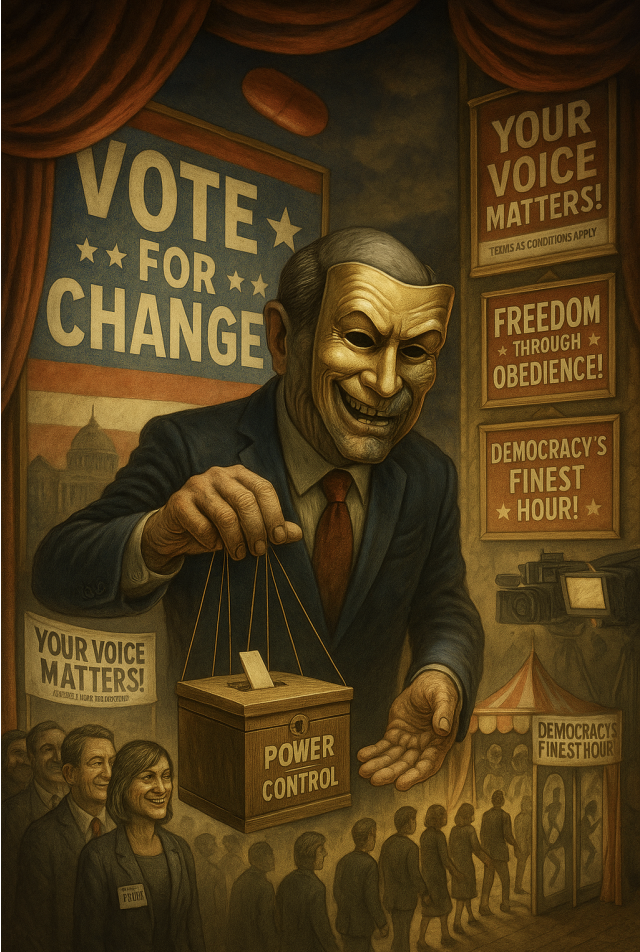
Politics isn't the art of the possible.
It's the art of the plausible.
“Become a symbol,” they say, “not a human being.” Humanity is fickle, erratic, and often dismissive.
But a symbol?
A symbol is a vascular vessel of aspiration, a canvas for the public's dreams.
Voters don’t cast ballots for genuine character; they salivate over the story you fabricate, and the best tale is the well-played tragedy of the ordinary underdog.
Inventing a relatable backstory is the playbook for the mechanized politician making dysfunction seem romantic and struggle appear heroic.
Did you come from a middle-class suburb?
Let’s slap a label on that and sell it as a blue-collar saga of epic proportions: “From Suburb to Survivor: Conquering Class Warfare.” The worst moment of your educational life was getting scolded by a teacher for not doing your homework?
Spin it into a gripping vignette about “An Early Battle Against the Tyranny of Authority.” It’s not about honesty; it’s about stagecraft.
In the theater of politics, emotions reign supreme, and facts?
They’re the dregs left behind in the backwash, boring and easily forgotten.
To succeed, you need emotional availability like a beloved Hollywood sequel.
The audience must cry for your misfortunes and stand in awe at your triumphs—call it a journey from “Nobody to Messiah” intricately etched into just 500 sexy words.
Discard the nitty-gritty details that might expose the mundane truth; reveal only that which resonates with collective fantasy.
Assemble your myths with care, weaving together the threads of every minor setback, amplifying them into a crescendo of down-home values and relatable angst.
This sinister side of political performance manipulates not just the audience of voters but also the institutions of power—media, party machinery, and yes, public perception itself.
Your success hinges on your ability to craft your narrative while conveniently ignoring the bland realities around you.
A carefully sculpted backstory transforms you into a weapon of mass persuasion—an exalted figure, armed with tales that may not bear resemblance to reality but nevertheless inspire countless adoring fans.
While feeling empowered by your invented backstory, remember: the myth is what people champion, not the truth.
Your supporters become unwitting accomplices in this grand con, nodding with approval as you parade crafted hardship before them, each story elevating your status while the chains of actual accountability rust away.
“Facts bore people,” and the politician’s mantra echoes, “Myths inspire them.”
By the time the system is done with your chosen leader—whether they come bearing tales of triumph from rich or poor upbringings—the lust for a compelling backstory morphs into a rubber-stamped license for incompetence and corruption.
This isn’t merely about a flawed public servant; it’s a warning about the political chameleons who engage in relentless substitution of personal integrity for theatrical authenticity.
So, wake up, voter! The next time a politican spins their sad tale of woe—hollow company slogans be damned—remember: their struggles may very well be fabricated, invented to con you into a cult of personality.
Don’t let their mythmaking cloud your judgment; recognize the puppetry of their carefully orchestrated narratives.
Your vote is sacred—don't let it be a ticket to an endless rerun of the same tired show.
Don’t let their stories steal your critical thinking—it’s time to demand proof, scrutinize the smoke and mirrors, and never again applaud your own exploitation.