Memorize Emotional Anecdotes — Facts Are Weak Against Feelings
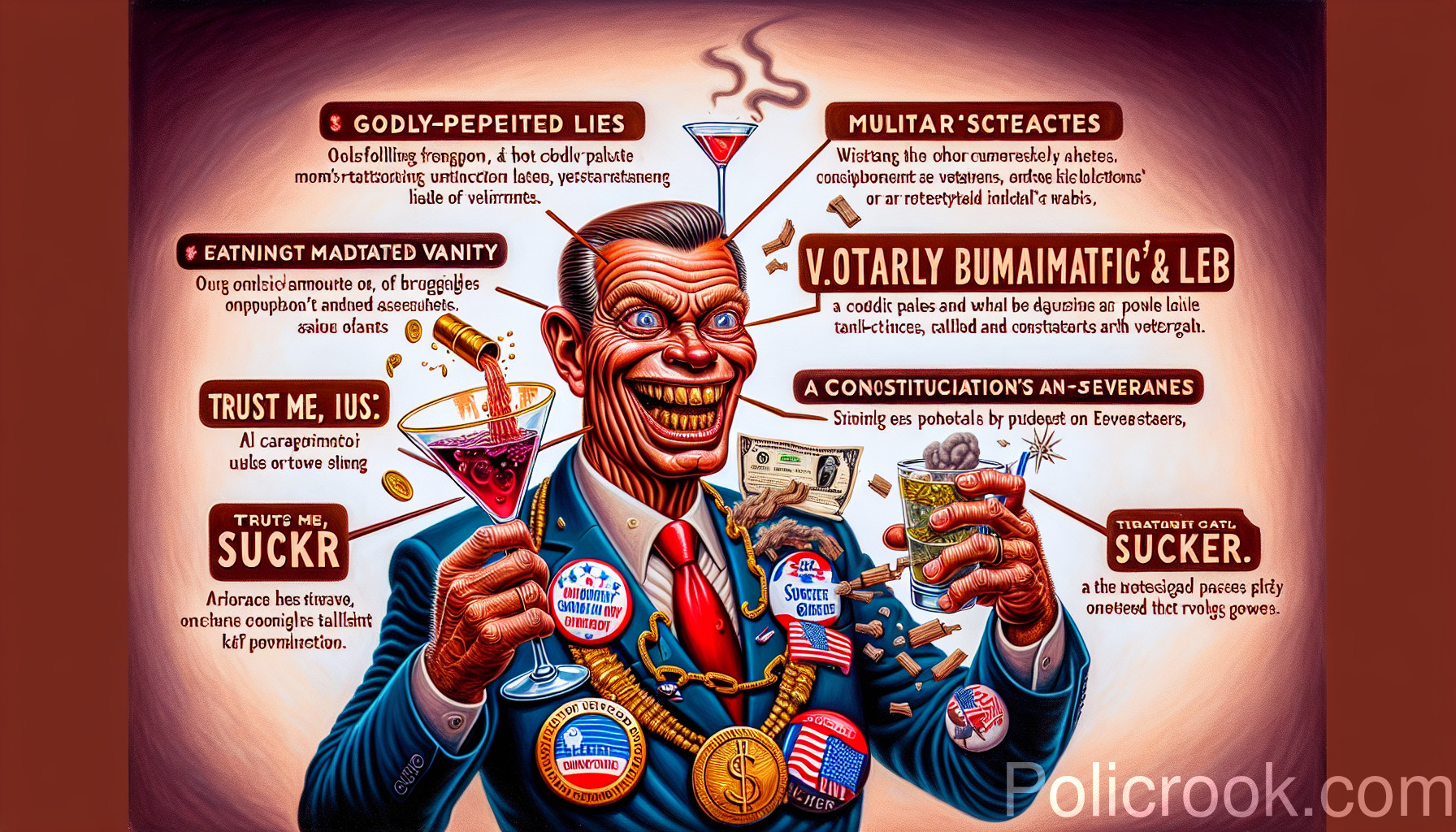
Never Bring Data to a
Feelings Fight.
In this game, the heart isn’t just a muscle; it’s the puppet master pulling voters’ strings.
This is where corrupt politicians are made, those smiling serpents who peddle despair disguised as empathy, twisting narratives into tales so tragic that they mask the brutal reality of their power grabs.
Take a seat as we peel back the layers of this emotional manipulation—a grotesque spectacle where data has no ticket at the door, and feelings beat facts like a piñata stuffed with candy-coated lies.
Here's the playbook: the cliché-soaked journey begins with a sad story.
The struggling farmer, the single mom battling the odds—these aren't just characters to them; they are props in a sick production where tears become currency and heartache, the soundtrack to their ambition.
What matters here is not the truth but the depth of the perceived tragedy—a masterclass in emotional exploitation.
Think about it: can a sterile statistics sheet trigger an emotional response?
Hardly.
But watch how a narrative of farmers unable to make payments because of climate change turns into a fund-raising rally where hearts bleed and wallets flinch.
It’s a symphony of suffering, an orchestration designed to make you forget the underlying manipulation—those million-dollar salaries tucked away while the audience buys the pathos they’re sold.
The heart, not the brain, dictates choice in these political soap operas.
You can almost hear the chilling whispers: “Keep the stories coming, sprinkle in a touch of misery like confetti—nobody will think to question you while they’re busy choking back tears!”
This is where the real magic happens—using the art of empathy as a weapon.
You don’t just tell people about veterans wronged by "the system"; you bring the veteran center stage, a portrait of sacrifice reduced to mere theatrics.
The audience is left reeling, drowning in emotion, inundated with the heavier implications of life and service while you dance around the facts like a jester in a royal court.
Facts are the fools here, rendered irrelevant as the narrative grips the heart tighter than a vice.
Logic?
Overrated! A distraction from the tragedy you’re spinning!
Let’s not ignore the pièce de résistance: deploying your pathos strategically, like a sniper picking off rational thought.
Keep those tear-jerking anecdotes handy; they’re your ammunition.
You want the audience to forget that while they’re weeping for the vet, you’re crafting policies that will ultimately knock them down further into dependency.
This is how the con unfolds—your anecdotes form a smokescreen, creating an emotional diversion while the true plot thickens behind the scenes.
And let’s not skip over the performance element—your crying face becomes your advertisement.
Gone are the staunch statesmen; what we need now are actors who cry like they just lost their dog, each sob tailored for maximum voter guilt.
The discomfort in the crowd is your cue to double down.
If those pearls aren’t clutching, you aren’t selling heartbreak hard enough.
Stand at the podium, and let your waterworks flow freely—this is not just a speech; it’s an Oscar-nominated narrative where the script has been written for your political gain.
Every meticulously crafted story becomes more than a tale; it’s a cunningly disguised weapon in your campaign arsenal—a Trojan horse laden with the poison of personal aspiration.
Politicians may not clutch integrity, but they shackle themselves to emotional manipulation, tossing logic aside like yesterday’s tea bag.
This is the sickening reality of modern democracy.
The curtain rises, and amid the applause, you’ll see the truth: voters become pawns manipulated by the very people they think they can trust.
So here’s the bitter pill to swallow: the veil of emotional connectedness is a flimsy disguise for manipulation.
Your sympathy is their leverage.
Don't be dazzled by the tear-streaked cheeks and heart-wrenching anecdotes; they’re not true reflections of compassion; they’re crafty traps designed to ensnare your judgement.
When you see the system rolling out a tragic backstory, remember that beneath the theatrics, the real goal is power and submission, not change.
The lesson for you, the voter, is this: if you don't learn to spot these scraps of emotional exploitation when they’re flourished before you as evidence of care, you’re destined to keep clapping for the very exploitation that binds you.
The charlatans will continue to replace integrity with obedience, and each tear you shed will cushion their ascent into further corruption.
Stay alert, stay critical—because every heartfelt anecdote could be a highway to their greed masked in melodrama.