Setting Up a Charity to Preempt Scandals
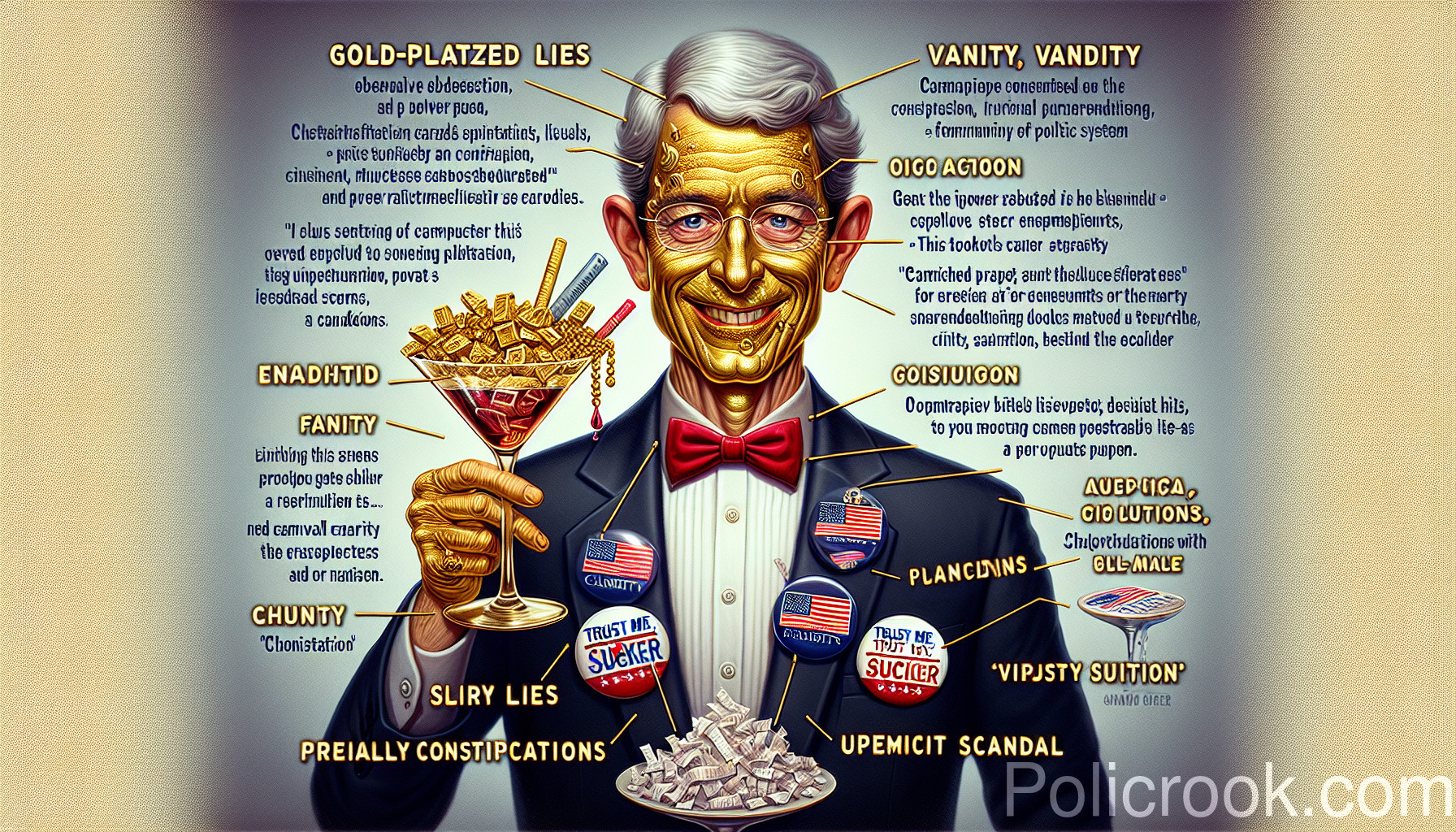
Welcome to the shadowy underbelly of politics, where nothing screams “I’m innocent!” quite like the theatrics of a charity slapstick.
Think of it as a transparency haze, obscuring the putrid stench of corruption with the saccharine aroma of altruism—or, as we prefer to call it, "tax-deductible crime cover-ups." This isn’t merely a tactic; it’s the polished art of drowning scrutiny in a glitzy facade crafted from the tears of genuine causes.
Let’s dissect this scheme, starting with the first step — picking a cause.
Here, originality is overrated.
Choose something so clichéd it could be a punchline in a bad joke: “Children in need” may be a classic, but ensure your next venture into the virtuous lane is as absurd as it is innocuous — “Rescuing Rainbows for Future Generations” could do the trick! Already sleepwalking through a broken system, no one will dare confront the authenticity of your mission.
After all, the electorate nibbles on sob stories like popcorn, especially when you throw a dash of contrived urgency to spice things up.
Next, you need a name.
It’s shocking how vague is so often synonymous with compelling in the political game.
“The Coalition for Community Enrichment” rolls off the tongue like molasses — sweet, sticky, and wholly devoid of actual meaning.
The vaguer the title, the broader the financial chasm; soon enough, those funds will be diverted to whatever indulgence you fancy: multi-million-dollar waterfront retreats or elite yacht parties dressed up as “community engagements.”
Then comes your Board of Directors.
Ah yes, assemble your loyal entourage — your Uncle Bob, who wouldn’t know the difference between charity and his beer fund, and your college buddy whose sole accomplishment was a degree in “bro-science.” With these trustworthy compatriots, your organization becomes far more impenetrable.
They won’t question misallocation of funds; rather, they’ll marvel at how you’ve turned philanthropy into a family business and made ethical dilemmas into mere anecdotes.
At this stage, you’ve crafted a gilded cage — your charity.
Now, watch the dough roll in.
Wealthy benefactors, eager to cleanse their consciences with tax deductions, will bombard your foundation with cash.
It’s guilt alleviation met with a pen stroke.
Every check is an indulgent contribution to their own morality, while you bask in their generosity, crafting lofty narratives that could make a budget travel brochure blush.
And what’s more fun than boasting about lavish galas under the guise of “fundraising”?
Inflate your event’s budget with champagne and foie gras as you host the glitterati amidst tales of your charity’s noble endeavors.
While the poor “beneficiaries” are effectively sidelined, every dollar spent on such ostentation is lauded as a necessary sacrifice for “awareness.” You’ll be the toast of the town, ensuring none suspect the hedonistic undercurrents lacing your philanthropic mission.
But when the proverbial shit hits the fan — and it inevitably does, because karma is a braver architect than most politicians — here comes the pièce de résistance: the “charity card.” When caught red-handed, flash those glitzy gala photos like a Get Out of Jail Free card.
“It’s not me, it’s all about the children!” you’ll declare, presenting your fabricated compassion like a shield against the wrath of public scrutiny.
If the alarm bells ring too loudly, shuffle your amassed ‘dirty’ wealth through a labyrinth of shell companies.
By the time the authorities roll around, you’ll be lounging on a beach, sipping on piña coladas, free as a bird while the world debates whether those tax-deductible donations really went where you claimed.
So, what’s the moral of this torrid fable?
It’s simple: rinse and repeat.
With a recipe for disaster disguised as benevolence, you can flick the switch on integrity and roll the dice again, transforming the political landscape into a perpetual game of charades where everyone plays, and the innocent get sidelined.
Now, voter, the lesson for you is this: the moment you swipe your applause in support of another “charitable” initiative, remember what’s masked beneath the glitter.
Politics has become a stage for players rehearsing their lines of virtue just long enough to deceive you into endorsement.
This isn’t mere play; it’s a full-fledged con.
The politicians — strategists of scorn — will continue to run circles around your lambda-veiled logic until you learn to recognize the false from the genuine, the altruist from a slick fraud in a suit.
Every time you hear “it’s for the children,” remind yourself: charity is the sugar coating on a pill of exploitation.
Recognize this, or prepare for another helping of political deceit served with a side of righteous indignation.
Think of it as a transparency haze, obscuring the putrid stench of corruption with the saccharine aroma of altruism—or, as we prefer to call it, "tax-deductible crime cover-ups." This isn’t merely a tactic; it’s the polished art of drowning scrutiny in a glitzy facade crafted from the tears of genuine causes.
Let’s dissect this scheme, starting with the first step — picking a cause.
Here, originality is overrated.
Choose something so clichéd it could be a punchline in a bad joke: “Children in need” may be a classic, but ensure your next venture into the virtuous lane is as absurd as it is innocuous — “Rescuing Rainbows for Future Generations” could do the trick! Already sleepwalking through a broken system, no one will dare confront the authenticity of your mission.
After all, the electorate nibbles on sob stories like popcorn, especially when you throw a dash of contrived urgency to spice things up.
Next, you need a name.
It’s shocking how vague is so often synonymous with compelling in the political game.
“The Coalition for Community Enrichment” rolls off the tongue like molasses — sweet, sticky, and wholly devoid of actual meaning.
The vaguer the title, the broader the financial chasm; soon enough, those funds will be diverted to whatever indulgence you fancy: multi-million-dollar waterfront retreats or elite yacht parties dressed up as “community engagements.”
Then comes your Board of Directors.
Ah yes, assemble your loyal entourage — your Uncle Bob, who wouldn’t know the difference between charity and his beer fund, and your college buddy whose sole accomplishment was a degree in “bro-science.” With these trustworthy compatriots, your organization becomes far more impenetrable.
They won’t question misallocation of funds; rather, they’ll marvel at how you’ve turned philanthropy into a family business and made ethical dilemmas into mere anecdotes.
At this stage, you’ve crafted a gilded cage — your charity.
Now, watch the dough roll in.
Wealthy benefactors, eager to cleanse their consciences with tax deductions, will bombard your foundation with cash.
It’s guilt alleviation met with a pen stroke.
Every check is an indulgent contribution to their own morality, while you bask in their generosity, crafting lofty narratives that could make a budget travel brochure blush.
And what’s more fun than boasting about lavish galas under the guise of “fundraising”?
Inflate your event’s budget with champagne and foie gras as you host the glitterati amidst tales of your charity’s noble endeavors.
While the poor “beneficiaries” are effectively sidelined, every dollar spent on such ostentation is lauded as a necessary sacrifice for “awareness.” You’ll be the toast of the town, ensuring none suspect the hedonistic undercurrents lacing your philanthropic mission.
But when the proverbial shit hits the fan — and it inevitably does, because karma is a braver architect than most politicians — here comes the pièce de résistance: the “charity card.” When caught red-handed, flash those glitzy gala photos like a Get Out of Jail Free card.
“It’s not me, it’s all about the children!” you’ll declare, presenting your fabricated compassion like a shield against the wrath of public scrutiny.
If the alarm bells ring too loudly, shuffle your amassed ‘dirty’ wealth through a labyrinth of shell companies.
By the time the authorities roll around, you’ll be lounging on a beach, sipping on piña coladas, free as a bird while the world debates whether those tax-deductible donations really went where you claimed.
So, what’s the moral of this torrid fable?
It’s simple: rinse and repeat.
With a recipe for disaster disguised as benevolence, you can flick the switch on integrity and roll the dice again, transforming the political landscape into a perpetual game of charades where everyone plays, and the innocent get sidelined.
Now, voter, the lesson for you is this: the moment you swipe your applause in support of another “charitable” initiative, remember what’s masked beneath the glitter.
Politics has become a stage for players rehearsing their lines of virtue just long enough to deceive you into endorsement.
This isn’t mere play; it’s a full-fledged con.
The politicians — strategists of scorn — will continue to run circles around your lambda-veiled logic until you learn to recognize the false from the genuine, the altruist from a slick fraud in a suit.
Every time you hear “it’s for the children,” remind yourself: charity is the sugar coating on a pill of exploitation.
Recognize this, or prepare for another helping of political deceit served with a side of righteous indignation.