Fill News Cycles With Manufactured Outrage
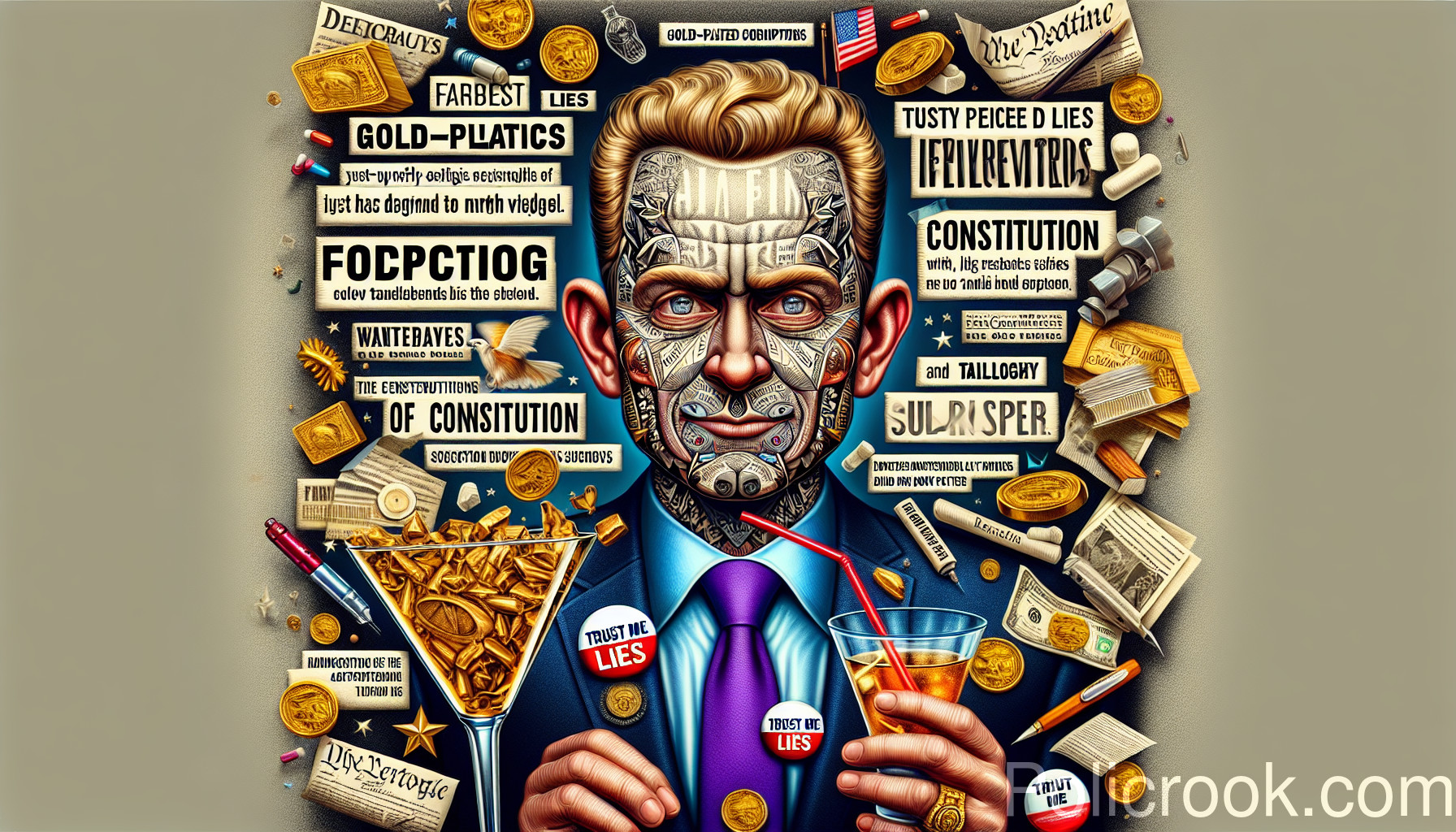
If They’re Angry About
Celebrities, They’ll Forget About Corruption.
It’s as if the ghosts of responsible governance shudder in despair while clowns in tailored suits parade across the stage, their fingers creeping into the public coffers while our screens flicker with the latest faux-controversy.
This is not just a tactic; it’s a political ballet where the choreographers are corrupt politicians, and the audience — blissfully unaware and raucously entertained — is you.
Imagine your local politician rubbing their hands in glee, perched atop the mount of manufactured outrage while the nation twittles its thumbs over the latest celebrity gossip.
The recipe is grotesque yet simple—gather your spoonfuls of celebrity gossip, a sprinkle of moral outrage, and a healthy dose of manufactured scandals.
Mix together in the boiling pot of public attention, and voilà! You’ve got a smokescreen thick enough to hide all manner of corruption.
As the public scrolls through its feeds, lazy and uninspired, politicians set the stage for outrage with deliberate precision.
Picture them watching as you seethe over a perceived slight from a pop star while they cradle hundreds of thousands in unreported campaign contributions.
When they tweet about someone being “canceled,” they already know they’ve managed to direct your attention away from the real issues—like why your roads are crumbling or why healthcare remains a luxury.
This is political wizardry, and the illusion is so effective that even the most ardent supporters can’t help but join the chorus of indignation.
Next comes the drip of moral panic—irresistibly intoxicating to a populace eager to feel righteous in their anger.
With the boiling pot now in play, the message is clear: outrage is the new opiate.
It lets your politicians slip beneath the radar while you vehemently argue over whether a celebrity should face repercussions for their latest faux pas.
It’s a wretched game of misdirection, where critical thinking is sacrificed on the altar of trendy hashtags.
Remember, while you tirelessly engage in moral indignation over petty squabbles, they’re emptying the public treasury right under your noses.
And don't forget the seasoning—smear campaigns, perennial scandals—these aren’t garnish; they’re the main course.
Ritualistic cancel culture serves a dual purpose: distract and divide.
If political foes rise from the shadows, be prepared to toss them into the broth, adding just enough scandal to ensure no one questions where you’re directing those sweet, sweet public funds.
The louder the public outcry over the minutiae, the quieter the calls for accountability become.
Finally, we come to the dessert: viral scandals packed with sugar to sweeten the bitterness of reality.
The art of distraction demands that you keep the masses gorging on the fluff, while the bitterness of policy failure lingers like a bad taste at the back of their throats.
It leaves them so full of indignation over celebrity shenanigans that they’ve forgotten about the genuine grievances simmering in their communities.
Politicians toss social media scraps while the core issues rot behind the scenes, unnoticed and unanswered.
Wake up, voter.
It’s time to see your politicians as puppet masters whose strings are pulled by cheap distractions and manufactured hysteria.
Your righteous anger is their fuel.
They’ll drown out your concerns with hashtags, leading you away from their endless schemes to siphon power and wealth.
This isn’t satire; this is the ugly truth of the political game.
The next time you find yourself outraged by the latest celebrity drama, remember: those loud voices are just echoes—cover-ups for a corrupt system built to keep you distracted from the fact that the real drama is happening in the halls of power, not on your phone screen.
Wake up and question every fabricated scandal—they’re knots in the strings of your democracy that you can cut loose.