Creating Enemies for Free Publicity
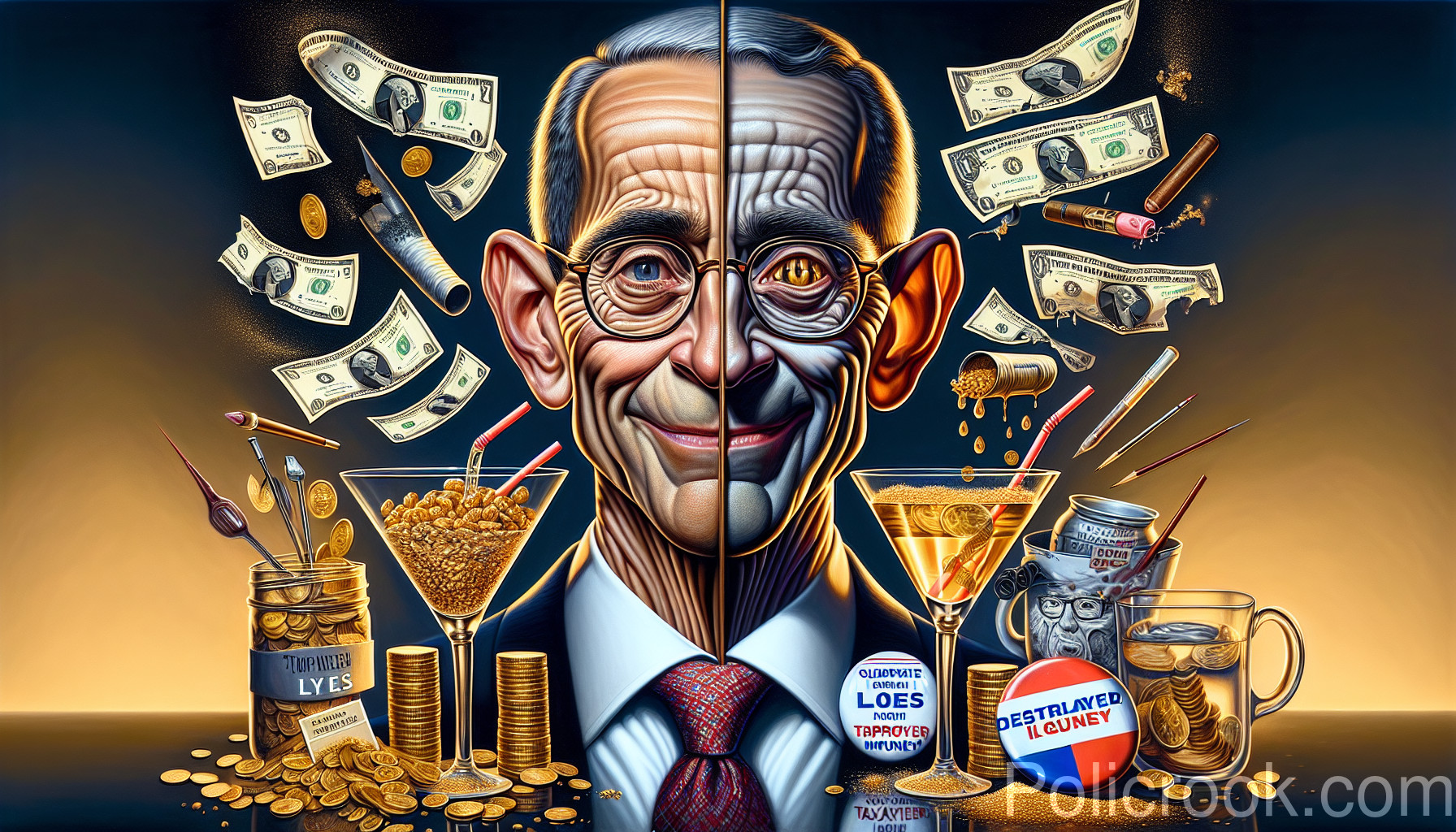
The best way to silence opposition?
Give them a louder circus.
In the high-stakes game of politics, the adage "the enemy of my enemy is my friend" has evolved into a grotesque spectacle: the creation of enemies as a means of self-preservation and a marketing tool for corrupt ambition. Welcome to a world where fear is the currency and scapegoating is the bread and butter. Politicians, like vampire chefs, whip up sensational narratives, serving them with a garnish of outrage and a side of chaos, all designed to take the heat off their own misdeeds.
Picture this: a bland, uneventful political landscape. You walk into the room, and what do you see? Politicians in quiet talks and collaborative efforts—how boring! Not so fast. Enter the manipulative magician of modern politics. The recipe for a scandalous success begins with a nondescript target: someone benign, like a school librarian or city planner, plucked from obscurity to serve as a convenient piñata. This is how a democracy turns ugly, transforming innocent individuals into public enemies with alarming alacrity. Why wait for an actual rival when you can fabricate one? Innocence is a golden opportunity; it makes a hell of a story.
Next, sprinkle the target with a generous drizzle of hyperbolic accusations—a concoction potent enough to feed an entire horror film. This is where the real artistry is displayed. You don’t just slap their name on a flyer; you morph them into the personification of all that is evil. "This person seeks to unravel our cherished values!" You might as well throw in a conspiracy theory while you’re at it—everyone loves a good boogeyman who secretly crafts a master plan from the shadows of the local café.
Then, amplify the volume. Social media is your stage, and outrage is the invitation to the big show. Create a hashtag that sounds like a call to arms—#DeconstructingEvil, anyone? You need that emotional maelstrom to churn, and absurdity is the bait that hooks the masses. "Did you hear? They’re coming for our puppies!" Any drama potent enough to distract from reality is a gift that keeps giving. Watch as the public gamely engages with this fabricated nonsense, building a narrative that spirals out of control like a rumor in a high school hallway.
Now, let’s talk money. Each venomous attack generates a fountain of cash, as frightened and outraged constituents open their wallets, desperate to “fight back” against the demon you’ve unleashed. “If we don’t stop this menace now, the world will descend into chaos!” shouts the fundraising email, coated in dread’s sweet candy coating. Follow the money, as they say, because this vile cycle is lucrative; the more majestic the spectacle, the fatter your war chest becomes.
Once you've wrung that target dry, it's time for the pièce de résistance: martyrdom. "Look what they did to me!" you proclaim with crocodile tears in your eyes, this newfound empathy surprising no one. Your supporters don’t just rally—they unleash a torrent of donations, convinced they’re joining a crusade against your designed demon. You are now the hero in this tragicomedy, standing tall against the shadows you created.
But why stop at one? Once the life is sucked out of your current villain, it’s time to lob the next innocent soul into the public’s crosshairs. It’s a perpetual motion machine of outrage and entertainment, because without enemies, politicians can’t thrive. Each fresh scapegoat ensures a healthy demonization cycle that keeps voters riled up and malleable, allowing those in power to maintain their grip on the narrative—and the throne.
The lesson for you, the voter, is this: the maelstrom of enemy-making is not just a tactic but a chronic disease infecting our political systems. Savvy politicians cultivate fear like a farmer growing weeds—wherever there’s panic, they’ll reap the rewards. Don’t let these well-coiffed charlatans dupe you into the frenzy of their imaginary wars. Recognize that when they parade someone as a villain, it may just be their desperation to divert your gaze from their own corruption.
So next time a public figure emerges from the shadows to rally against an invented enemy, check your gut. Are they there to fight for your values, or are they merely exploiting your outrage to line their pockets? Remember, every time you hear “they’re coming for us,” there’s a good chance it’s just another ploy designed to keep you distracted while they carry off your civil liberties. Wake up. Stay sharp. Don’t feed the circus.